Length is only the Beginning
Basmati is often reduced to millimetres. The more useful question is what happens after the grain meets water, heat and time.

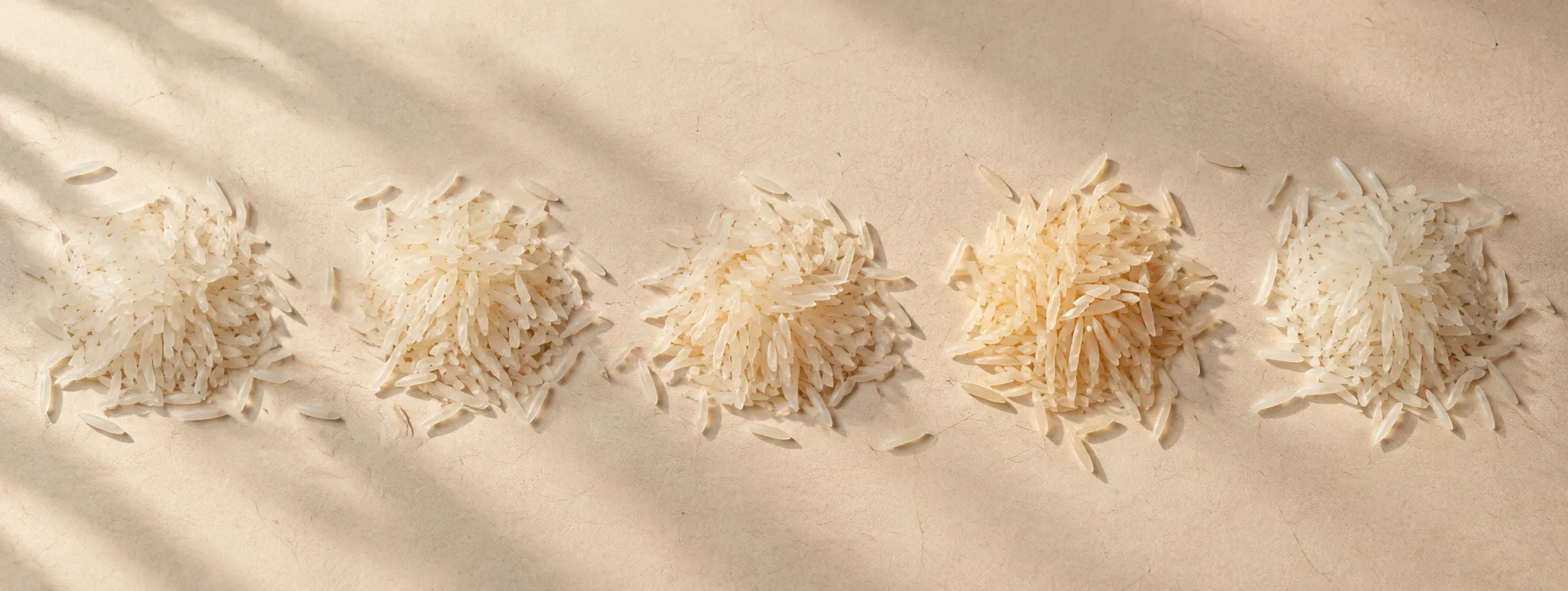
Average grain length is often the first number a buyer sees, and it earns its place on a specification. It gives two parties something objective to compare. But raw kernel length cannot tell the whole story of the cooked grain.
What matters at the table is what happens next: how the grain develops in cooking, whether it stays distinct, how its aroma presents itself and whether the result fits the dish and the service model.
Length is the first line of a specification, not the verdict.
Elongation after cooking
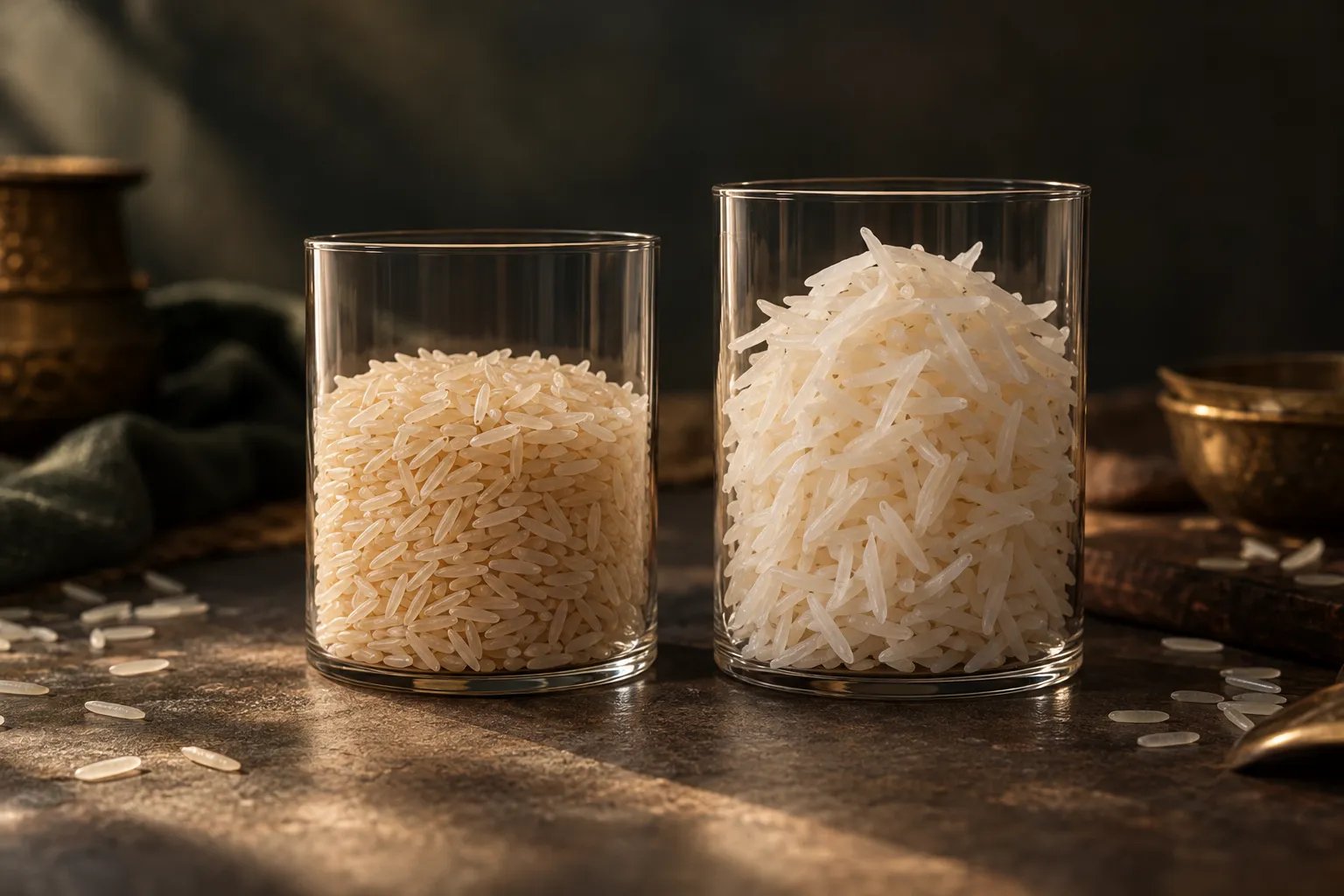
Raw length and cooked length are related, but they are not the same measurement. APEDA describes Basmati as extra-long and slender, elongating to at least twice its original size on cooking with a soft, fluffy texture. How far, and how evenly, a particular lot elongates depends on its variety, on how it has been processed and aged, and on how it is cooked.
That is why a specification and a cooking result can disagree. Two lots with similar raw dimensions can finish differently in the same pot, and one lot can finish differently in two kitchens. The figure on the specification is the starting point for a trial, not a forecast of the plate.
Aroma and cooking method
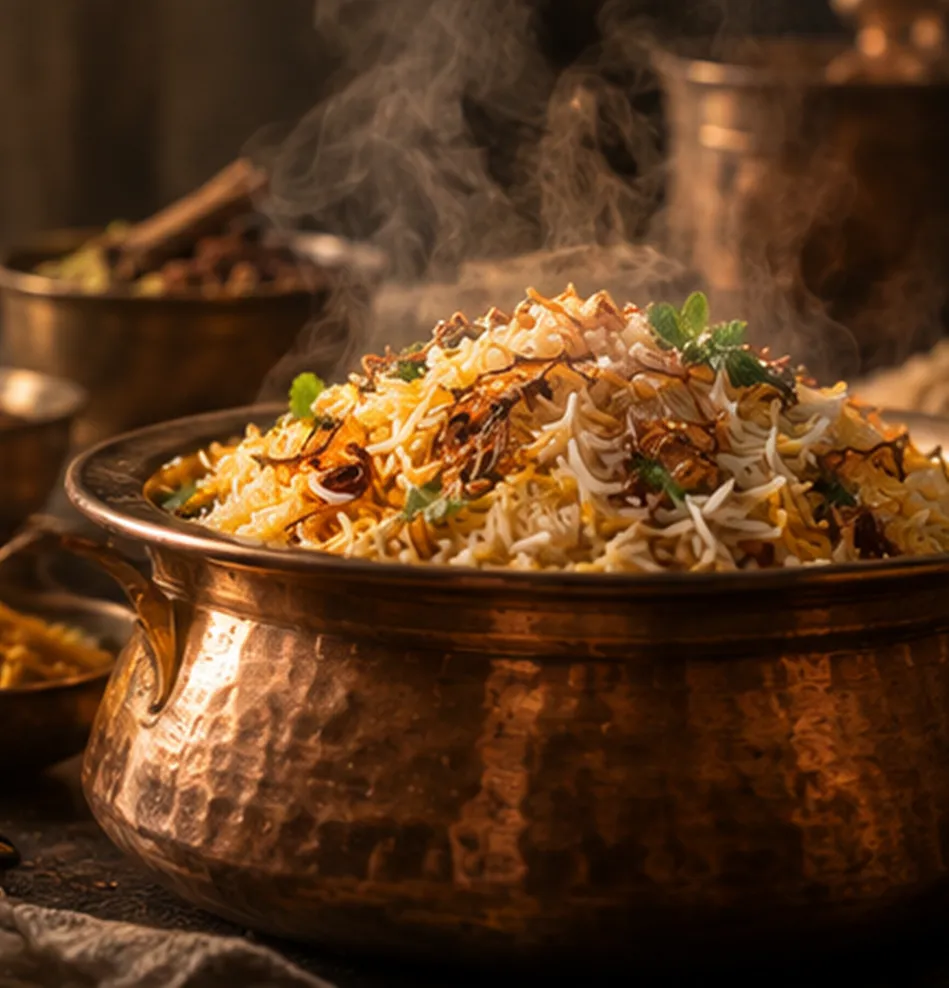
Aroma is part of Basmati’s identity, and APEDA counts the method of harvesting, processing and ageing among the things that shape it. It is also the attribute with no single number: it is perceived differently from one dish to the next, and it changes with the method.
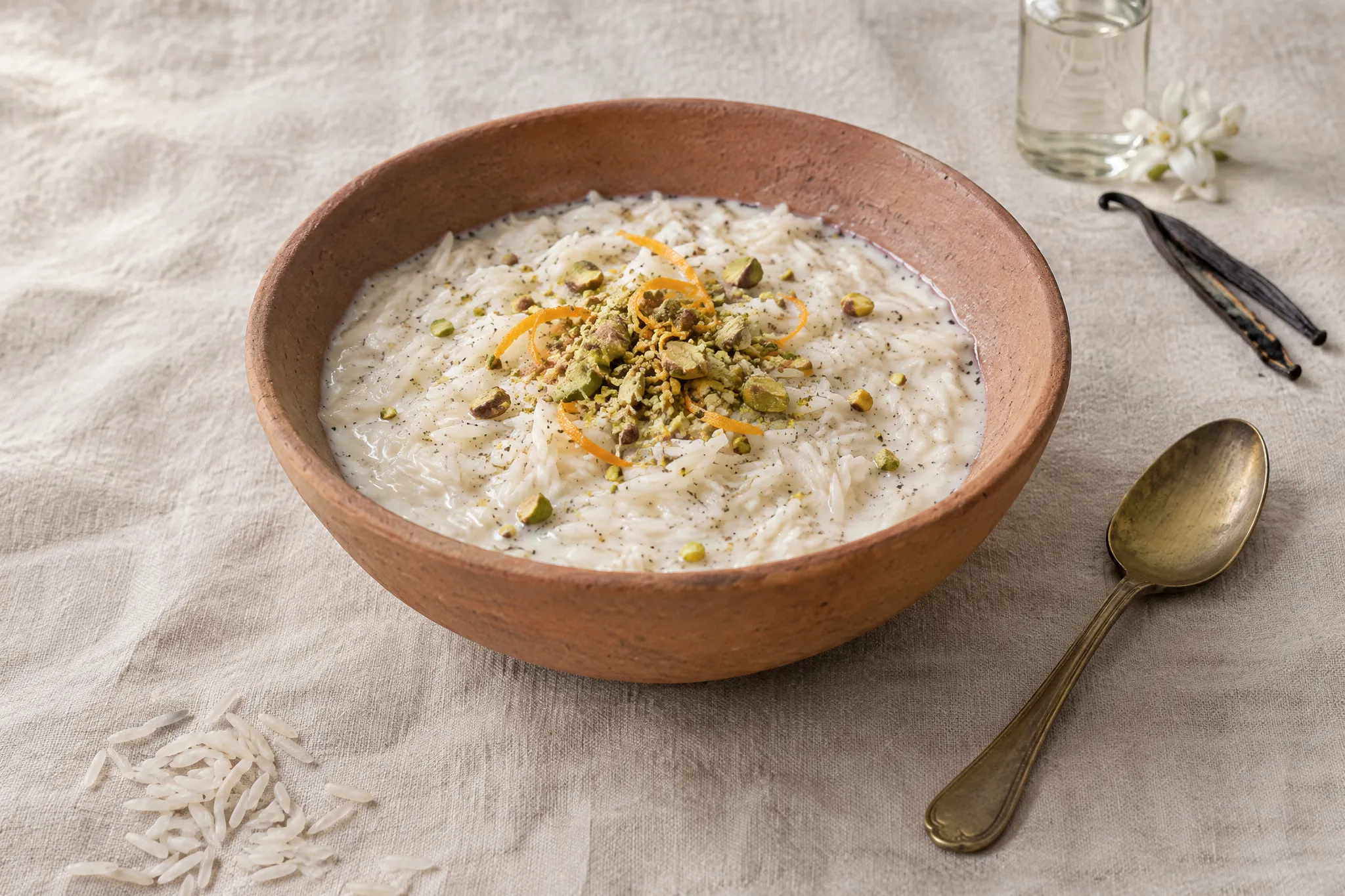
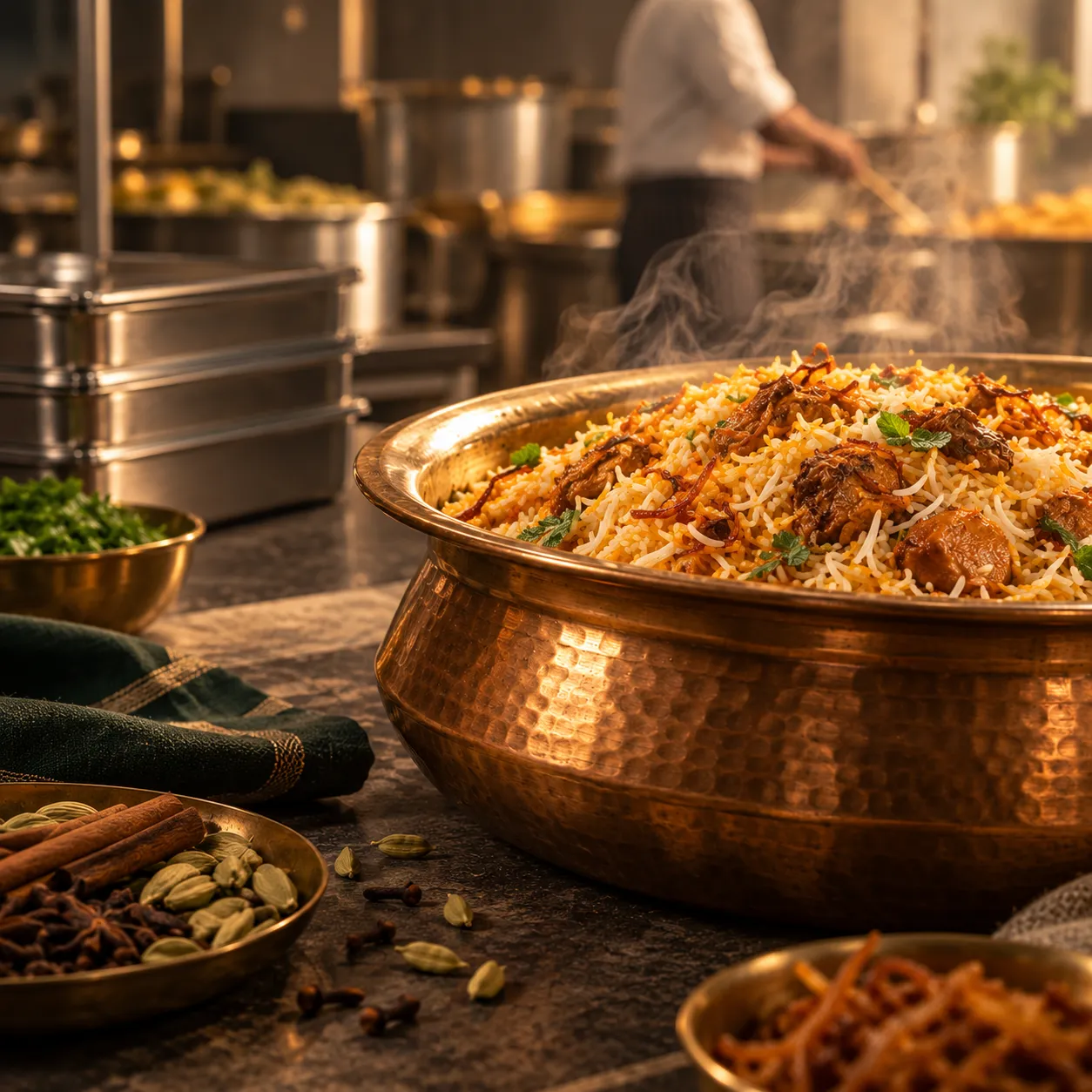
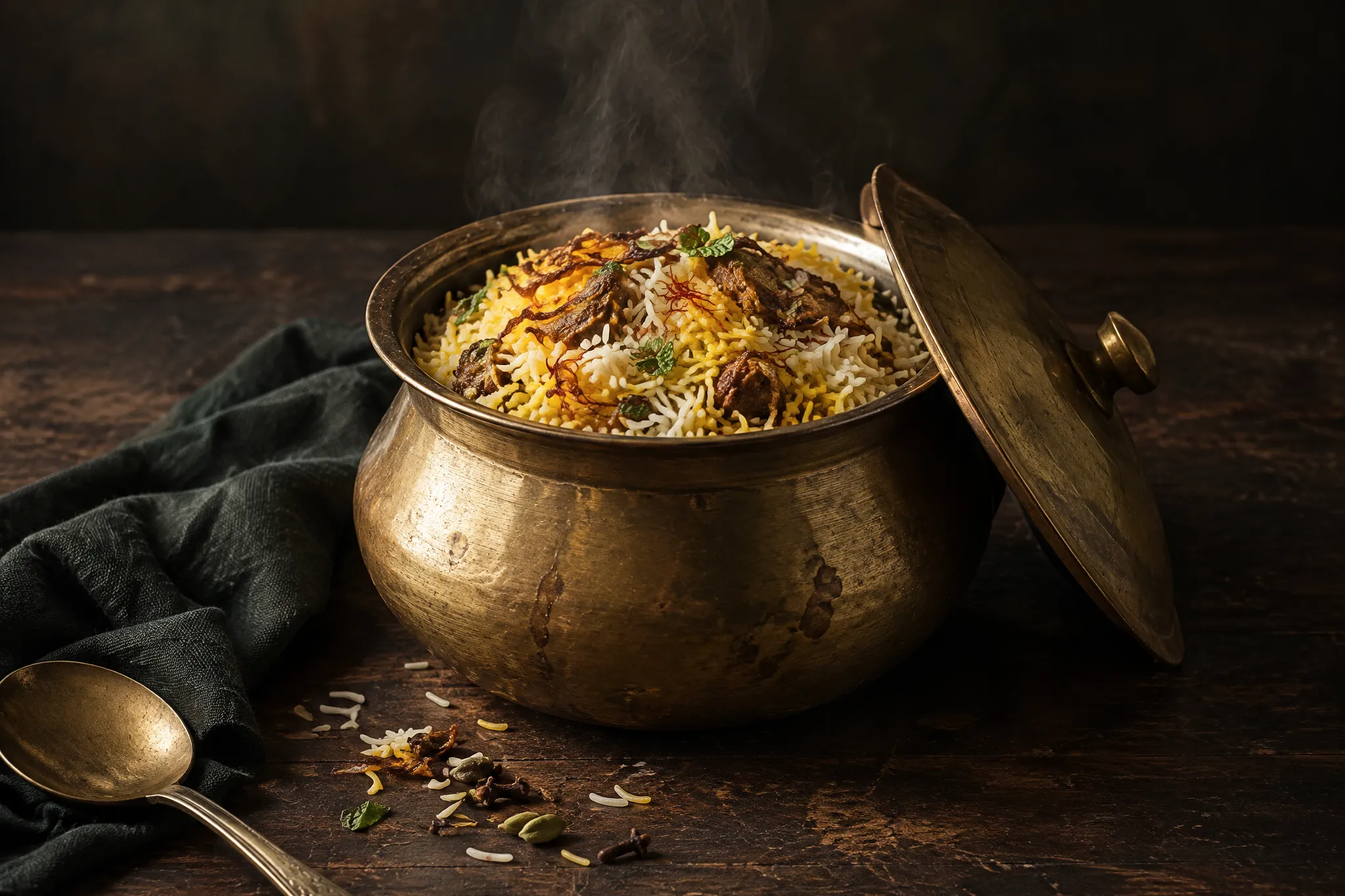
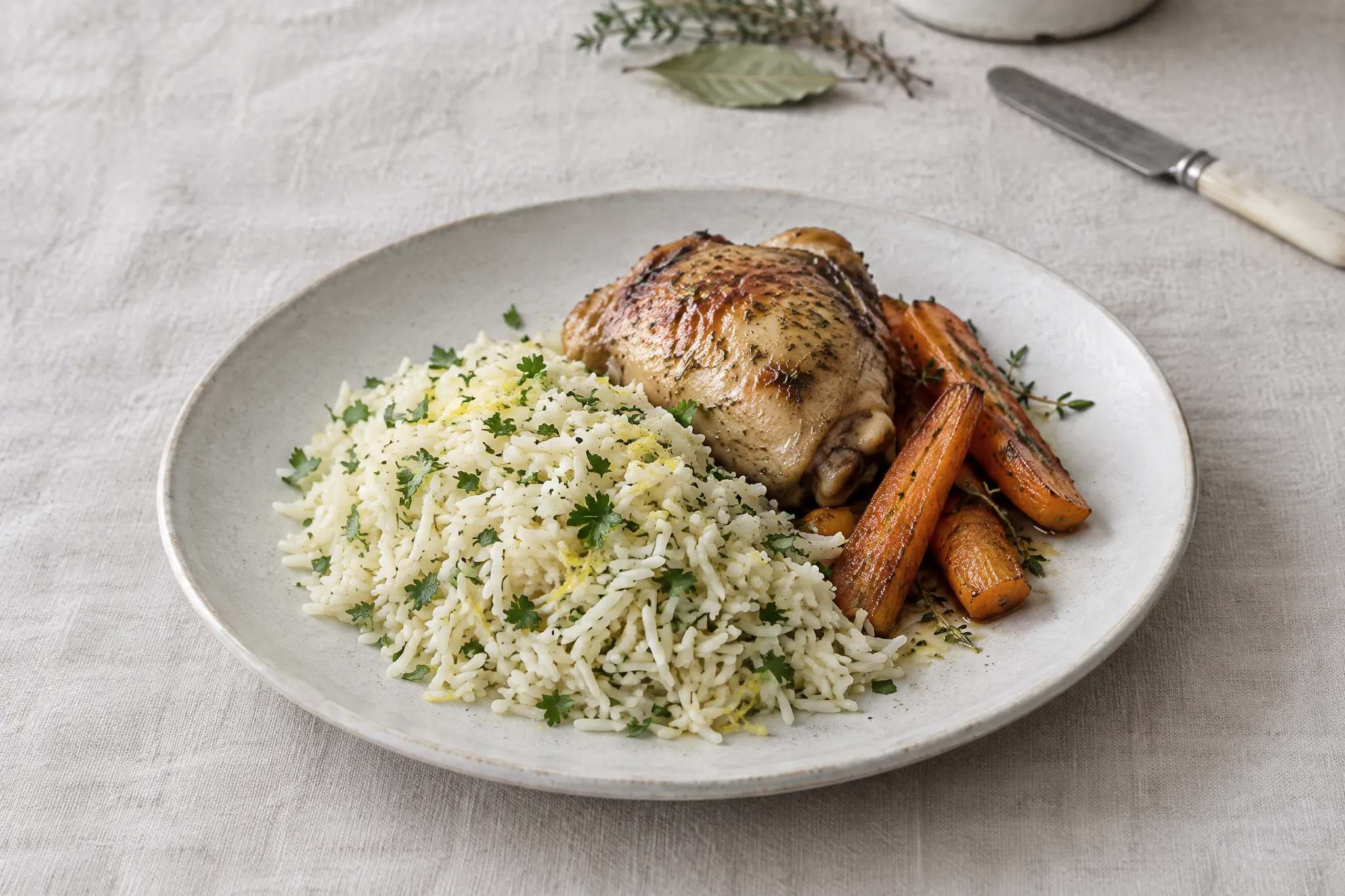
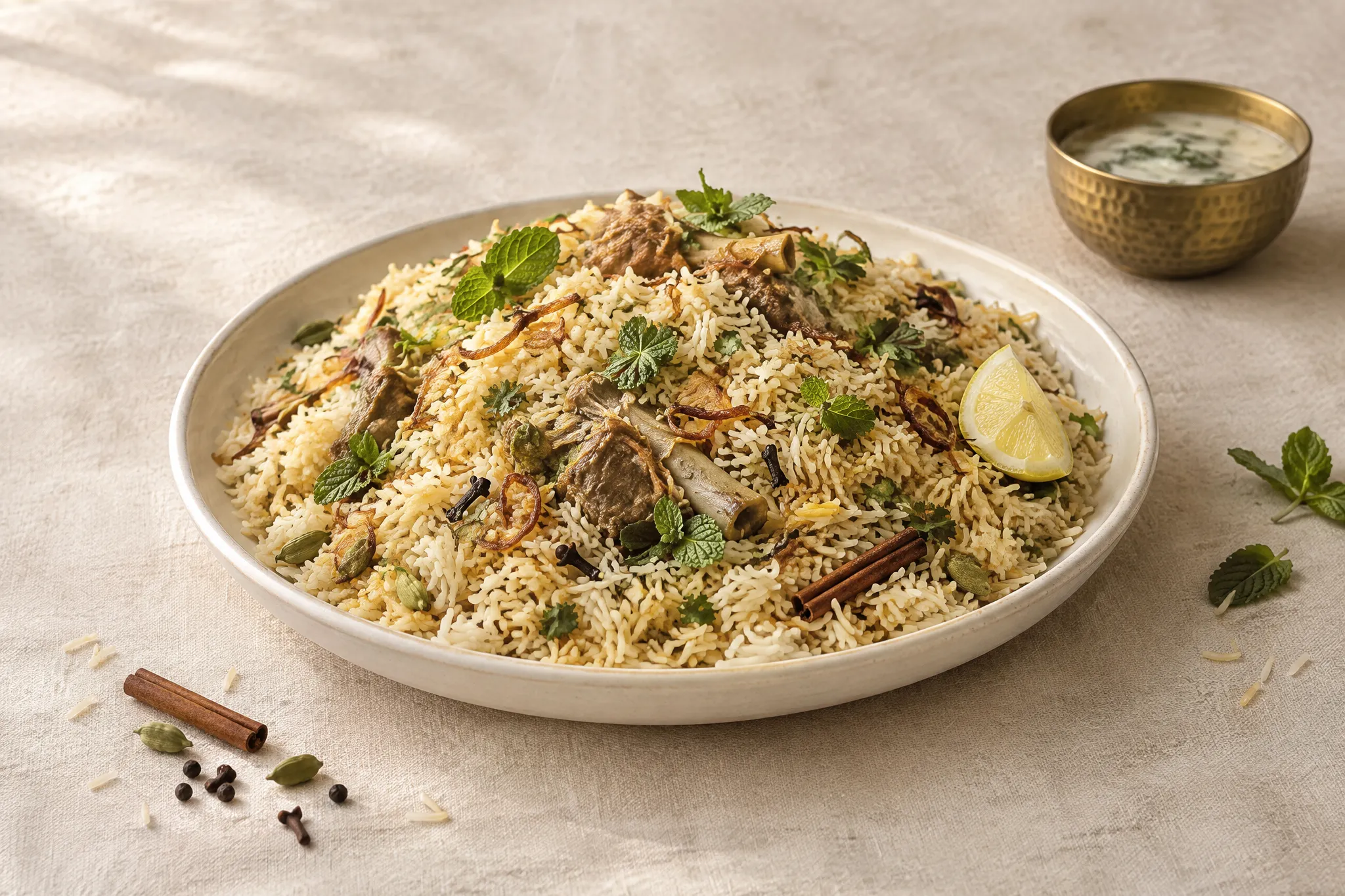
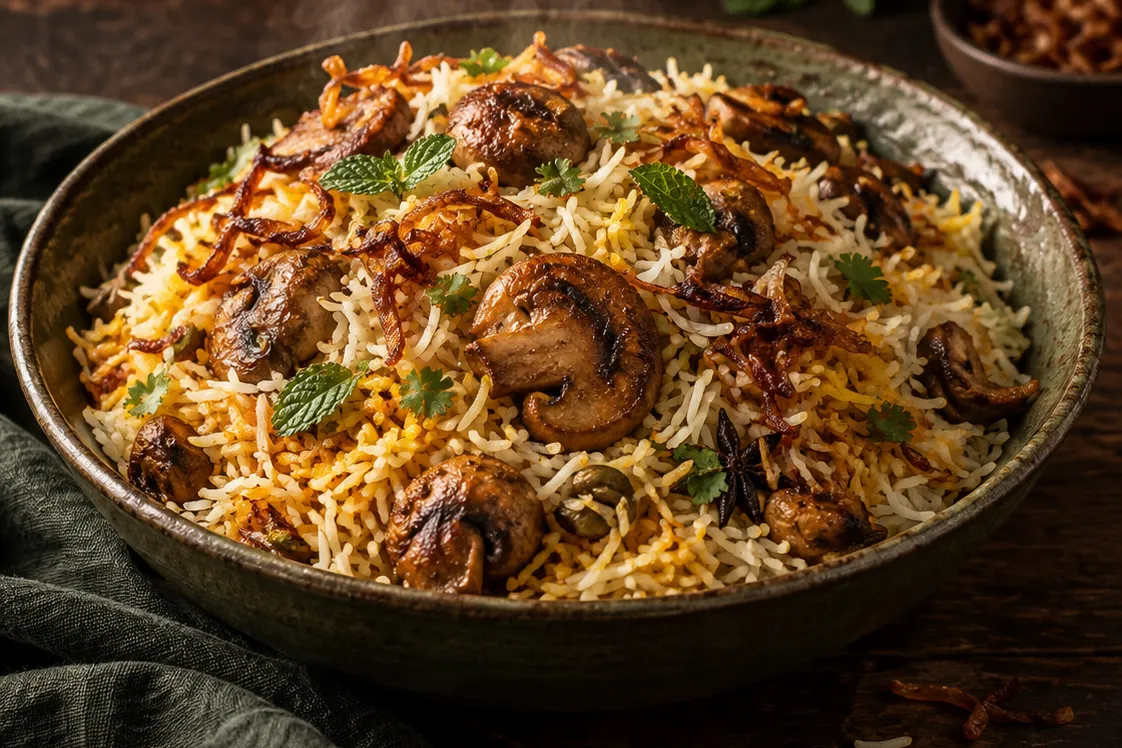
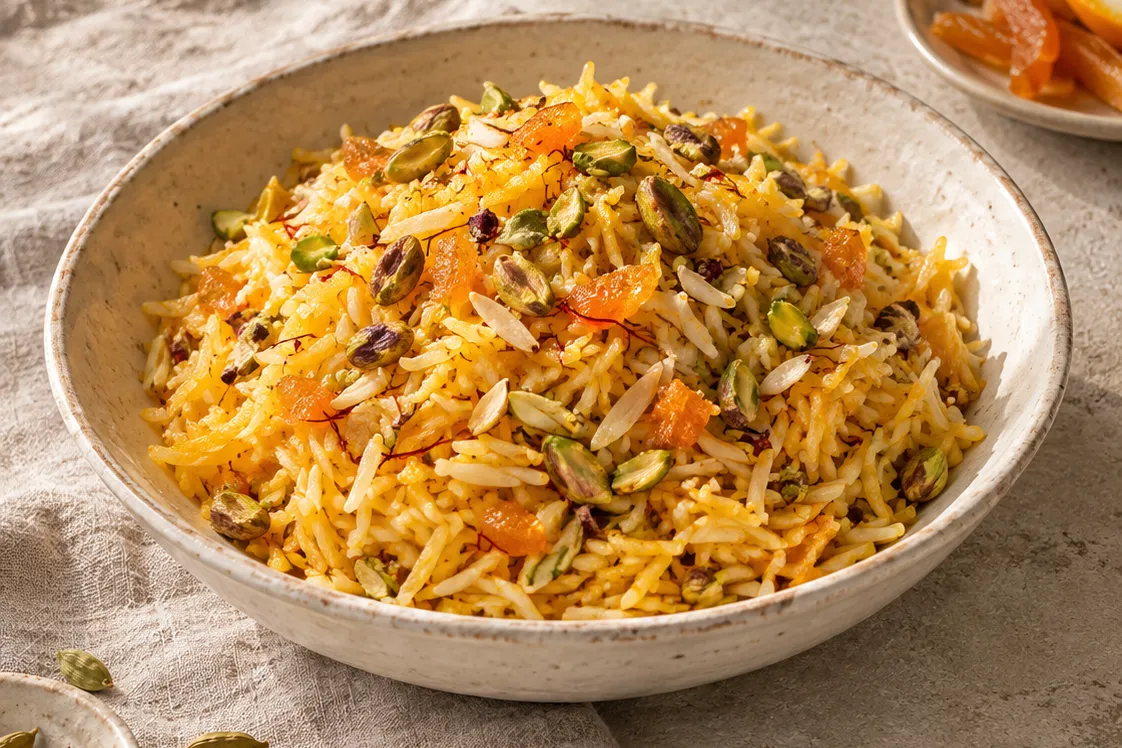
In a simple pulao, where the rice is exposed, aroma is part of what is served. In a spiced biryani, where the grain is layered with spice, meat and steam, structure and consistency can matter more than how fragrant the dry grain is. The same lot, cooked two ways, presents two different aromas. A buyer choosing for aroma is choosing for a dish and a method, not for a variety name.
Texture and separation
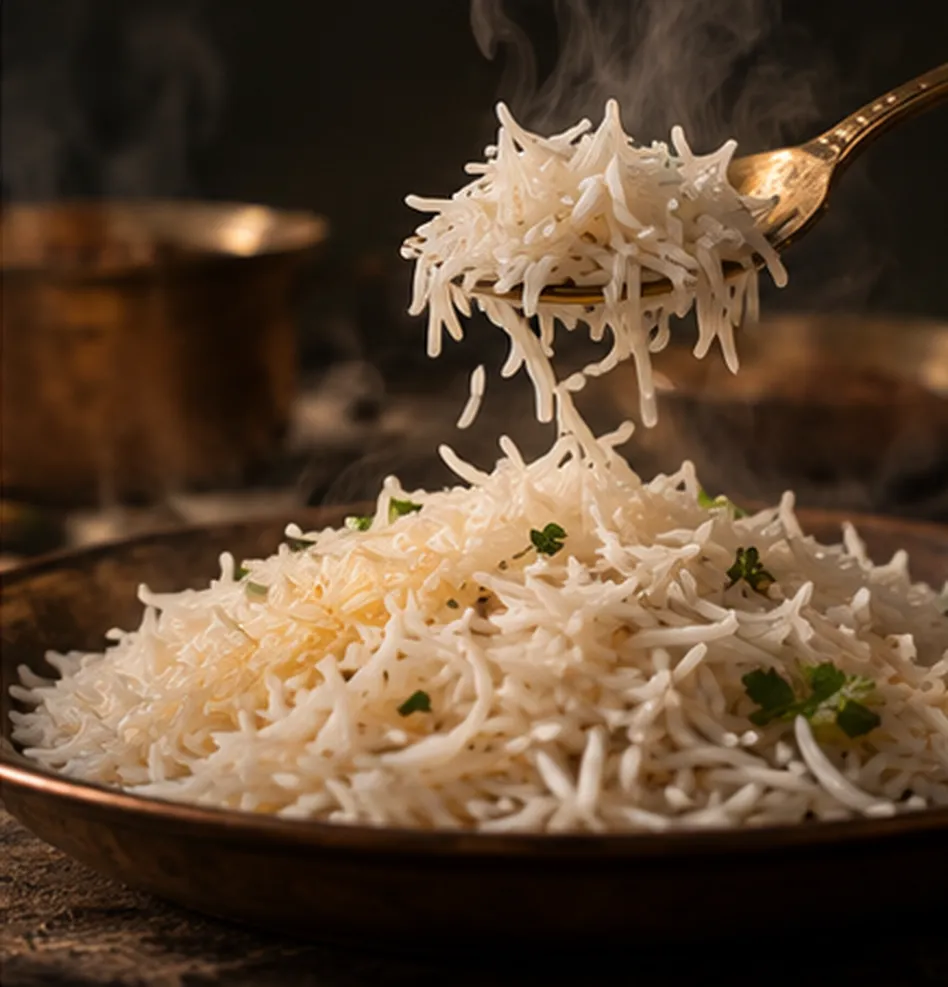
The useful question is not whether a grain separates. It is whether it stays appropriately separate under the actual cooking and service conditions.
That depends on the whole method: the soak, any par-cook, the vessel, the depth of the batch, how long the rice is held and whether it is reheated. A grain that separates beautifully in a small tasting can behave differently when the bed is deeper or the holding window longer. Steam and sella expressions differ in firmness and handling, and neither is better in every kitchen, only better against a particular method.
Appearance is a description, not a score
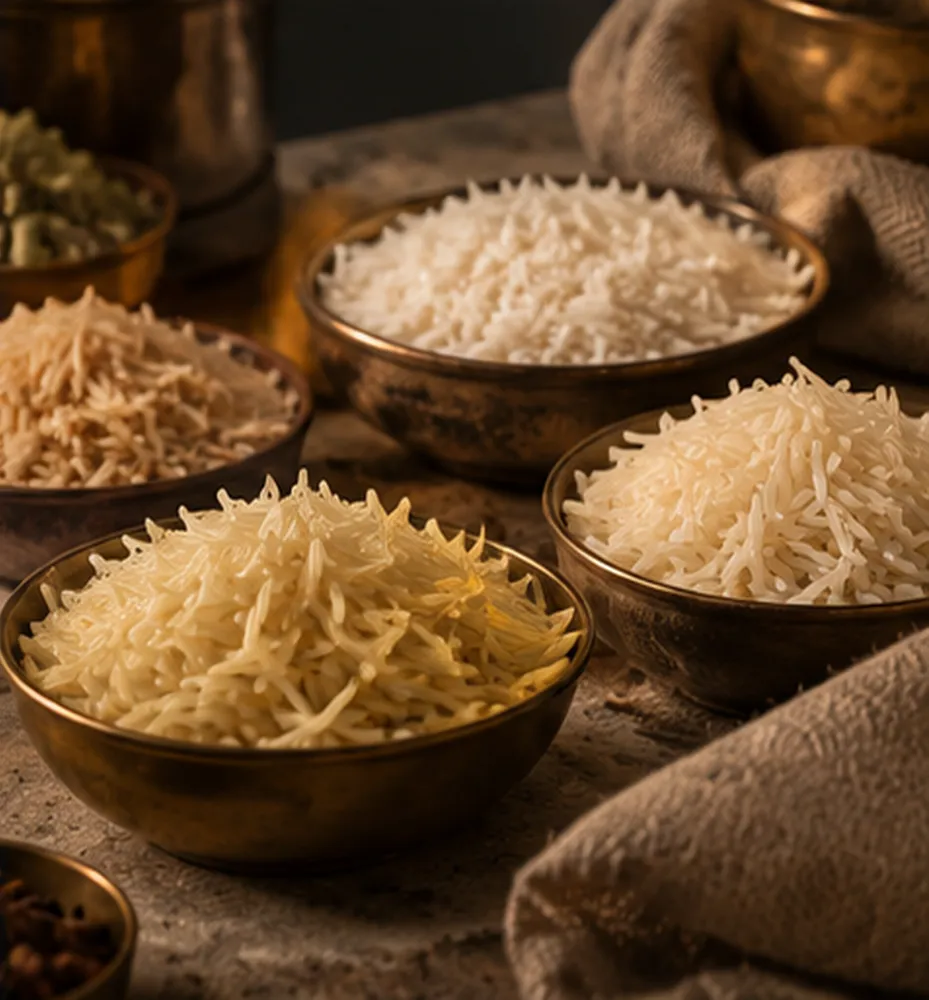
Kett is an instrumental measurement of whiteness, used in the rice trade to compare the appearance of lots under an agreed method. It is useful for holding one visual profile steady from lot to lot.
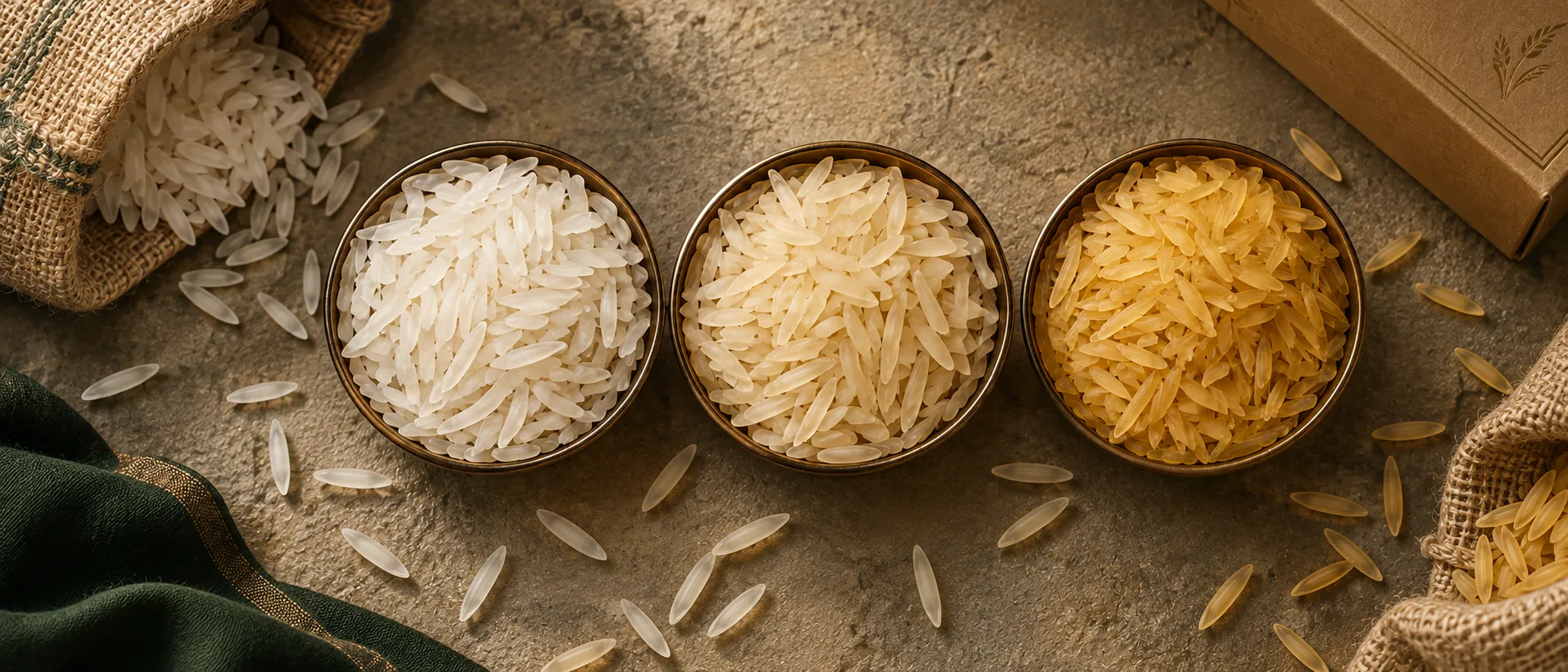
It is not a universal quality score and it is not a ranking. Raw, steam, creamy and golden expressions are deliberately different appearances, and a reading that suits one programme is the wrong brief for another. A measurement describes one attribute. It does not replace the specification.

Briefing a grain
Start with the result, not the catalogue.
For one buyer, the brief may be long, visibly separate grains in a biryani. For another, a restrained aroma and a familiar cooking profile may matter more. A private-label programme may value repeatability above all else.
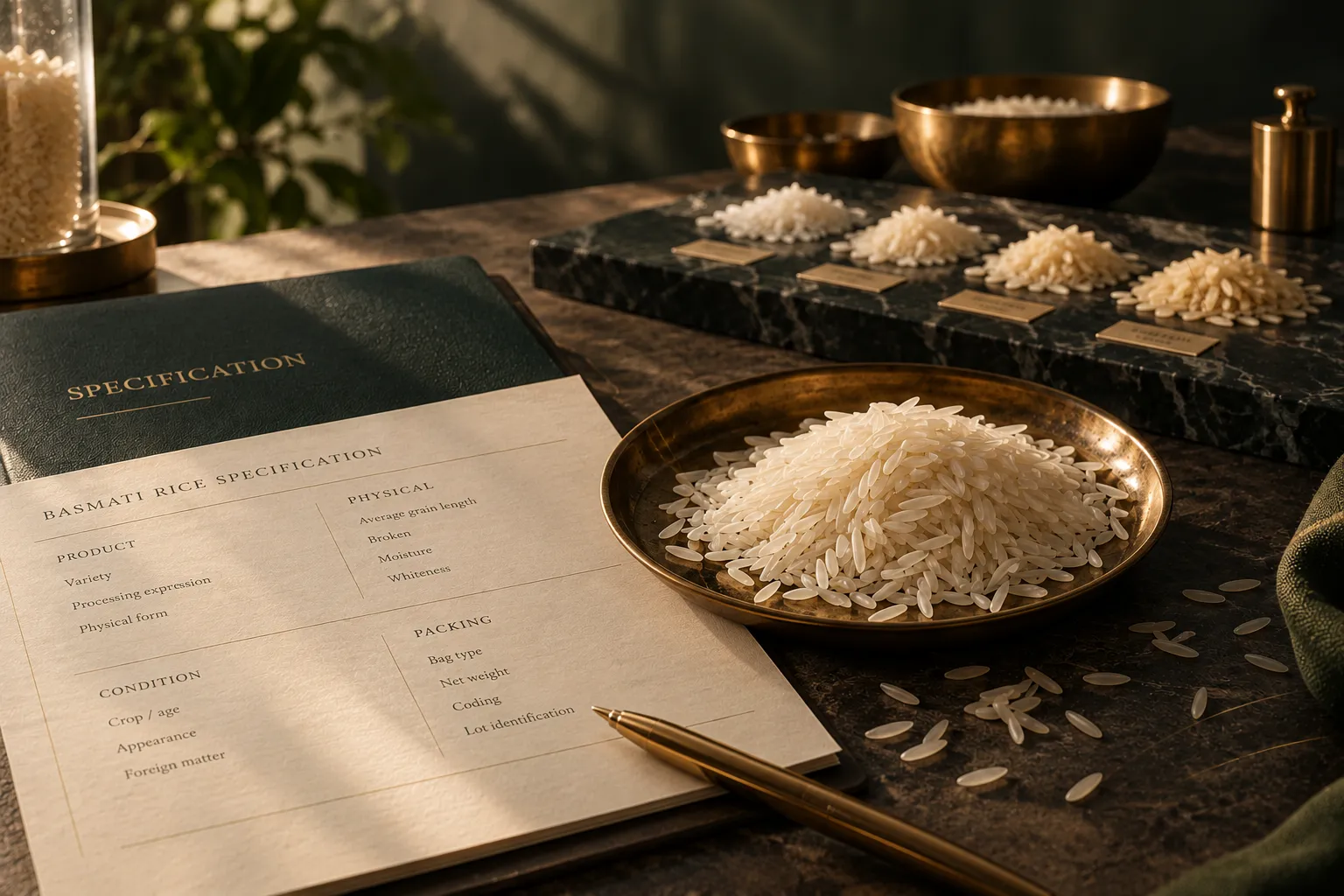
Only after the use is clear should the specification settle the detail: variety, process, grain length, broken tolerance, moisture, whiteness and the other agreed parameters.